

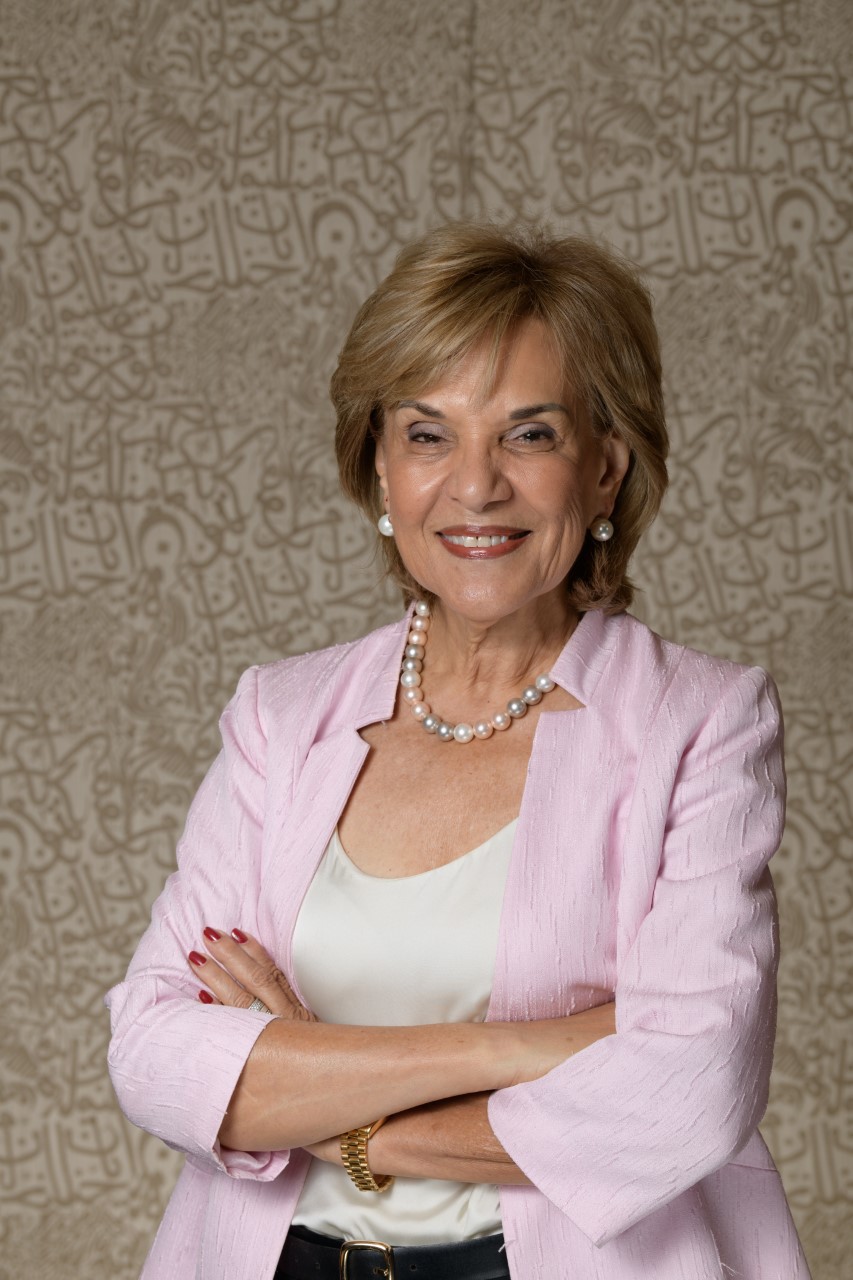
 Aziza Ellozy
Originally published on: September 24, 2002
During this year’s Newcomer’s Orientation, the session on “Teaching at AUC” was dominated by four topics: assessment, critical thinking, plagiarism/cheating, and teaching with technology. These are indeed important issues in our discourse about teaching and learning, and we will devote the next few issues to them.
Starting with assessment, some of the simplest and most effective ways of collecting feedback on student learning have been compiled by A. Angelo and P. Cross (1993) and have been collectively called “Classroom Assessment Techniques” or CATs. They are simple strategies that college teachers have found useful in answering such basic and intangible questions as “How effective was I today?” or “How well have my students grasped the material?”
The Minute Paper is the most commonly used CAT in college classrooms, and according to R. Light (Director of the Seminar on Assessment at Harvard), the most successful classroom innovation at Harvard (2001). It is a simple, non-graded, anonymous, in-class activity.
Here is how it works. Near the end of the class, you ask your students to take out a sheet of paper and write down the answer to two questions:
1. What is the most important thing you learned during this class?
2. What is the main unanswered question you leave class with today? What is the ‘muddiest’ point?
You will find that this exercise involves more than mere recall. It requires students to evaluate what they recall, while promoting writing skills and/or critical thinking skills. Its main advantage is that it requires very little preparation time, can be read easily and quickly by you, and can be used in all disciplines. More importantly, it allows you to know what works and how you can improve on it.
Sources
Light, R.J. (2001) Making the most of college: Students speak their minds. Harvard University Press.
Angelo, T.A. & Cross, P.K. (1993). Classroom assessment techniques: a handbook for college teachers (2nd edition). San Francisco: Jossey-Bass Publishers.